Adult VN Classic Retrospective: The Narrative Depth and Psychological Portrayal of "Euphoria"
Analyzing "Euphoria" from Script Structure, Character Psychology, and Artistic Expression—A Visual Novel That Transcends the "H" Label.
---BEGIN---
A Test of Humanity Under Extreme Circumstances
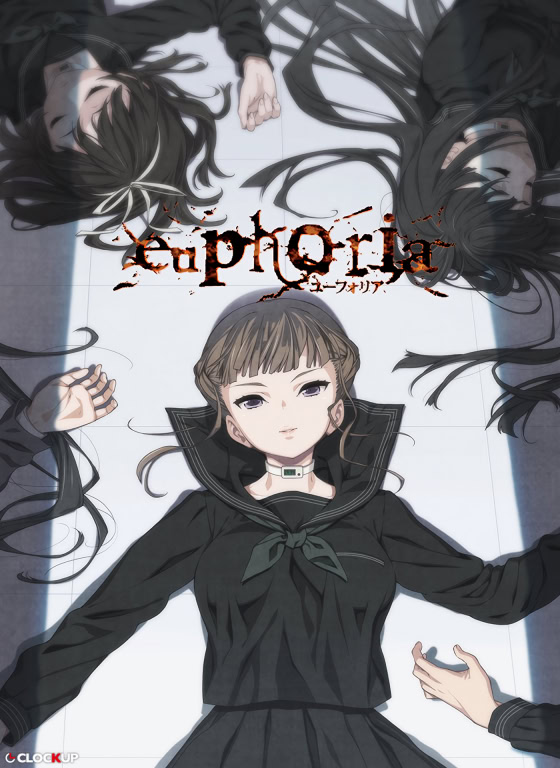
On June 24, 2011, CLOCKUP released euphoria (ユーフォリア), dropping a bombshell in the adult visual novel world. This work sparked controversy with its extreme subject matter, yet earned a high rating of 7.23 on VNDB thanks to its profound psychological portrayal and unexpected narrative twists, becoming a highly discussed topic. Looking back over a decade later, euphoria remains an important text exploring the theme of “how extreme situations reveal the essence of human nature.”
The game’s core premise has the flavor of a philosophical experiment: protagonist Keisuke Takatoo and six female characters are trapped in a sealed white room and must complete extreme sexual acts designated by a “mysterious voice” to escape. This “death game” framework, reminiscent of Saw, actually serves to explore deeper questions—when survival becomes the only goal, how do moral boundaries collapse? When forced to become a perpetrator, how does one confront their inner darkness?
Exquisite Design of Multi-Layered Narrative Structure
euphoria’s most stunning aspect lies in its narrative structure. On the surface, this is a nukige with extreme sexual content as its selling point, but as players progress through different character routes, the work gradually reveals completely different layers of truth. The game employs “Branching Plot” and “Multiple Endings” design, with each route like a puzzle piece—only by completing all routes can one understand the complete story.
This narrative approach elevates euphoria beyond mere erotic content. Seemingly random violence and sexual abuse scenes in early routes gain psychological and narrative reinterpretation in later routes. The revelation of truth isn’t simply a “plot twist,” but a structural reorganization of the entire game experience—players are forced to reexamine their previous choices and feelings. This meta-reflective quality is where the work’s greatest artistic value lies.
The Protagonist’s Dual Personality and Inner Struggle
Keisuke Takatoo is crafted with remarkable complexity. The “Sadist Protagonist” tag isn’t a simple personality label, but a deeply explored psychological theme. Keisuke harbors latent desires to inflict violence on women, and this dark side is triggered in a situation where “rape is necessary for survival.”
More subtly, his relationship with classmate Nemu Manaka is revealing. Nemu sees through Keisuke’s true nature and uses this to blackmail him into following her instructions. This power dynamic reversal makes Keisuke simultaneously perpetrator and puppet, with the ambiguity of his position adding depth to his character. On one hand, he enjoys the excitement violence brings; on the other, he must suppress his guilt to protect his childhood friend Kanae Hokari—this internal contradiction forms the psychological tension of the entire narrative.
The game’s “Fear of Death” and “Desperation” tags precisely capture the characters’ psychological states. When the threat of death looms (the work establishes early on through torture device demonstrations that “refusing the game leads to death”), how do the defenses of reason and morality collapse? Keisuke’s psychological journey isn’t unidirectional descent, but a complex process of constant oscillation between survival instinct, protective urges, guilt, and sadistic pleasure.
Psychological Profiles of Six Female Characters
Each imprisoned female character has a distinct personality and backstory, and these aren’t mere decoration but intimately connected to the truth revealed in later plot developments. Kanae Hokari as the childhood friend represents Keisuke’s only remaining moral anchor; Miyako Ando as class president embodies the collapse of order and reason when faced with extreme circumstances; Rika Makiba as the underclassman showcases the contrast between innocence and despair.
English teacher Natsuki Aoi, fellow student Rinne Byakuya, and Nemu Manaka—each reveals unexpected facets in different routes. The game leverages the “High School Student Heroine” and “High School Student Protagonist” setting to maintain these characters’ adolescent fragility and resilience. They’re not simply victims; in some routes, their display of agency and psychological defense mechanisms becomes key to driving the plot forward.
The tags “Unavoidable Heroine Rape” and “Rape by Proxy” indeed point to the work’s most controversial elements. However, it’s worth noting that the game doesn’t romanticize or justify violence, but rather explores through the “Sex Under the Necessity” premise how sexual violence becomes a survival tool in extreme circumstances, and the trauma this inflicts on all participants’ psyches. This unflinching perspective actually highlights the cruelty of violence.
Visual and Sound Design Creating Atmosphere
CLOCKUP chose relatively realistic character designs for the visual presentation, combined with the minimalist spatial aesthetics of a “White Room,” creating an oppressive, alienating confined atmosphere. The game’s color palette is deliberately restrained, with early scenes dominated by white and gray tones, gradually introducing intense colors like red as the plot progresses, visually echoing the changes in characters’ psychological states.
The “Background Moans” tag hints at how sound design creates an atmosphere of unease. Beyond character voice acting, background sound effects and music deliberately create dissonance, preventing players from fully relaxing even in non-violent scenes. This sustained psychological pressure is an important source of the work’s immersion.
System features like “Read Text Marking” are also worth mentioning, helping players track already-read content during multiple playthroughs—crucial for a work requiring completion of all routes to understand the full story.
Critical Perspective: The Line Between Controversy and Artistry
Honestly speaking, euphoria isn’t a work suitable for everyone. Its combination of “High Sexual Content,” “Violence,” and “Torture” tags ensures its moral controversy. Some critics argue that regardless of how sophisticated the narrative technique, making sexual violence a core gameplay mechanism is inherently ethically problematic. Even if the work intends to critique or deconstruct this violence, whether its presentation might be misread by some players as encouragement or glorification remains a worthy topic of discussion.
Another questionable aspect is the exaggerated sexual depictions like “Excessive Semen.” While this is a common trope in adult games, in a work like euphoria attempting to explore serious themes, such comic-book-style exaggeration may actually undermine the persuasiveness of its psychological realism. The work’s balance between artistic ambition and commercial market positioning isn’t always successful.
However, it’s precisely this controversial nature that makes euphoria an important case study in discussing “whether adult games can be serious art forms.” It proves that even within the most extreme thematic frameworks, it’s still possible to create works with intellectual depth through meticulous narrative design and psychological portrayal.
Cultural Impact and Subsequent Works
euphoria’s success spawned the 2023 Western fan work u4ia by DriftyGames (VNDB rating 7.21). This work uses a 3D rendering style, transplanting the story to a tropical island setting while attempting to explore the prequel story of the original’s characters. Though u4ia shows clear gaps from the original in visual presentation and thematic depth, its existence proves euphoria’s influence in the Western adult game community.
Worth mentioning is that Hyper Euphoria (ハイパー・ユーフォリア), scheduled for release in 2026, despite the similar title, is actually a completely different mystery adventure work about a psychic detective investigating bombing cases. This phenomenon of “title borrowing” reflects euphoria’s recognition as a brand symbol.
Reassessing the Value of Extreme Narrative
Thirteen years later, euphoria remains an unavoidable milestone in adult visual novel history. It proves that extreme subject matter can indeed carry profound themes; the key lies in whether creators possess sufficient narrative skill and psychological insight to transform superficial sensory stimulation into serious interrogation of human nature.
The core questions the work poses remain relevant today: When social contracts and moral norms are stripped away, how does the dark side of human nature manifest? Is the line between victim and perpetrator as clear as we imagine? How do trauma and survival instinct reshape one’s self-perception? These philosophical propositions transcend the game itself, touching on universal dilemmas of the human condition.
For mature readers who can accept its extreme presentation, euphoria offers a unique narrative experience—it forces players to confront their own reactions to violence, question their moral intuitions, and reconstruct their understanding of the entire story through truth revelations across multiple playthroughs. This layered… ---END---
Further reading

DLSite Doujin RPG *Exorcist Shrine Maiden Holy Knight* Review: A Monumental Adult Game Born from RPG Maker

Steam "NEKOPARA Vol. 4" Review Guide: 18+ Patch Installation Tutorial and Practicality Analysis