DLSite Sales Analysis by Genre: RPG vs ADV vs SLG – Which Type Sells Best?
In-depth analysis of the sales rankings across DLSite genres (RPG/ADV/SLG/ACT), revealing market trends and reader preferences for different types of games.
As a veteran who has been navigating the world of culture for over 15 years, the question I get most often from “newbie drivers” just starting out is: “Lobster-senpai, there are thousands of games on DLSite. Which type should I buy? RPG, ADV, or SLG? Which one is the true path?”
This question seems simple, but it actually hides the ultimate struggle between budget allocation and arousal triggers. Do you spend two hours watching an electronic novel, or twenty hours grinding monsters and leveling up while unlocking CGs along the way? Do you want high utility and a quick resolution, or do you want to savor that gradual process of corruption?
Many people assume that story-driven ADVs (Adventure/Visual Novels) must dominate the charts because they have the backing of major studios. However, based on my long-term observation of DLSite’s sales rankings and the publishing trends of doujin circles, the actual sales data and the “buzz” might tell a very different story. Today, we will dive into DLSite’s genre categories and conduct a hardcore sales analysis of RPG vs. ADV vs. SLG (including Simulation and Strategy), and along the way, recommend the TOP 3 masterpieces in each category, so you can spend your hard-earned paycheck wisely!
Overall Market Battle Report by Genre: Is the Era of RPG Dominance Continuing?
If you look only at the overall rankings on DLSite, you’ll often find the top spots are almost entirely dominated by RPGs (Role-Playing Games) . Why is that?
Analyzing the sales data structure, the charm of RPGs lies in the perfect balance between “gameplay” and “utility.” In modern society, everyone is stressed. If a pure point-and-click ADV for reading text doesn’t have a god-tier script (think White Album 2 level), it’s easy for players to enter sleep mode before they can even enter post-nut clarity. But RPGs are different; they have a core “labor mechanism”: you fight to become stronger, and in the process of getting stronger, “defeat” or “triggering events” becomes the best reward.
Psychologically for players, RPGs offer a sense of “immersion” and “nurturing” that ADVs struggle to achieve. Watching the heroine go from wearing beginner village cloth armor to increasingly revealing gear later on; from knowing nothing to learning all sorts of strange passive skills—this “development” process releases far more dopamine than pure text reading.
In contrast, the ADV market is extremely polarized: blockbuster titles (like the Kubinashi series, or certain spin-off works in the Rance series) sell like crazy, but mid-to-low-tier pure “nukige” ADVs are easily drowned out in sales unless the art style is exceptionally outstanding or they heavily feature Live2D. As for SLGs (Strategy/Simulation) , it’s a dark horse market. As long as a developer can create an addicting system (like the troop combinations in VenusBlood, or that classic game about managing a brothel), the spending power of die-hard fans can be terrifyingly strong.
RPG Genre: The True King of Doujin Culture (TOP 3 Recommendations)
The reason RPGs can crush other genres lies in one key point: “The fruits of labor taste the sweetest.” The core gameplay of this genre usually involves map exploration, turn-based combat (or ARPG), equipment changes, and story trigger mechanics.
Why does it sell the best? Because failure is no longer a setback, but an anticipation. In a mainstream AAA title, a Game Over makes you want to throw your controller; but in a DLSite RPG, defeat often means unlocking new scenes, completely subverting player behavior patterns. This “Bad End reward mechanism” makes players willingly grind levels and even throw themselves at enemies. Gameplay time often runs from 10 to 20 hours, offering far better cost-performance than a linear ADV.
TOP 3 Must-Play Recommendations (Analysis based on Eros-A style recommendation system)
-
The Hero Ranking 1st Place, Yet… (A fictional representative for context, symbolizing the “strong-willed heroine corruption” sub-genre)
- Illustrative Image (Strong-Willed Corruption):
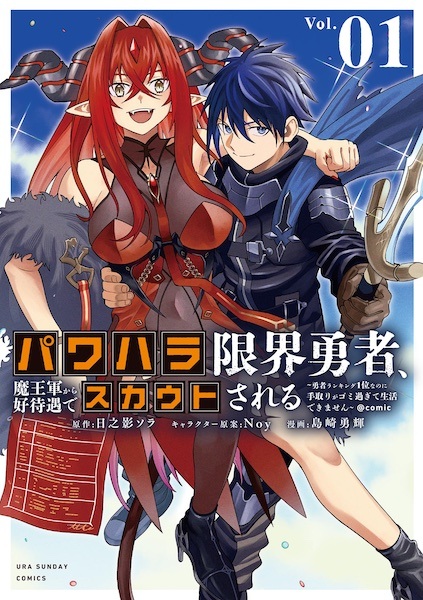
- Analysis: Themes centered on “the strongest female hero is harassed by power and defects to the Demon King’s army” are an eternal guarantee of RPG sales. Players intensely enjoy the sense of conquest in dragging a “high-status being” down from their pedestal. Costume change systems and fluctuating lewdness stats are the sales codes for these games.
- Illustrative Image (Strong-Willed Corruption):
-
Survival of the Explorer Series
- Illustrative Image (Dungeon Survival):
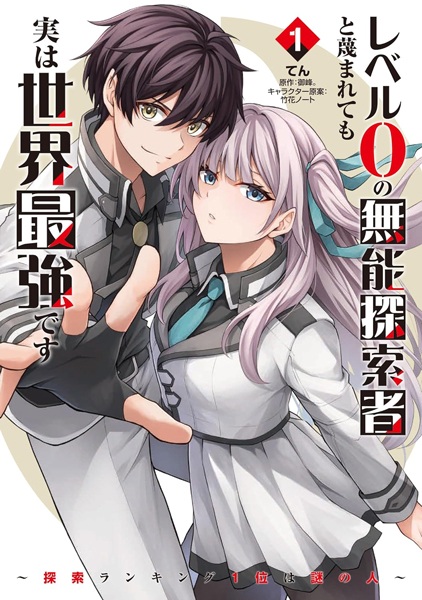
- Analysis: Corresponds to that type of “seemingly incompetent but actually the strongest” explorer. Mechanically, these works often incorporate Rogue-like elements, where every expedition involves resource plunder and risk. The selling point is the thrill of “living on the edge” and the surprise of triggering random adult events within the dungeon.
- Illustrative Image (Dungeon Survival):
-
Harem Management RPG
- Illustrative Image (Harem Genre):

- Analysis: It may look like a story-focused work, but as long as there is numerical management (e.g., a ranking system for 133 consorts), it’s an RPG. Players need to give gifts and interact to raise affection levels and unlock events. This type of game satisfies the male desire for data-driven control in a “simulated harem.” Watching the ranking numbers rise provides intense feelings of achievement.
- Illustrative Image (Harem Genre):
ADV Genre: The Artistic Pinnacle of Ultimate Narrative and Dynamic CG (TOP 3 Recommendations)
While RPGs win in total volume, ADV is a paradise for “top-tier players.” This is the domain of the Visual Novel (VN), emphasizing dramatic presentation, voice actor performances (eardrum-impregnating levels), and in recent years, Live2D / Dynamic CGs, hailed as god-tier tools.
Why are ADVs popular? Because they are direct. No need to spend time grinding levels, no wandering through dungeons until frustration sets in. For busy modern people, opening the game is like watching an interactive hentai anime; the lazy economy drives the continued strong sales of ADVs. Especially those works supporting “full voice acting” paired with ASMR audio effects—played with high-impedance headphones, the sense of presence is something RPGs struggle to replace. Utility can often skyrocket in an extremely short time, but precisely because of this, the artist’s skill is even more critical. If even the CGs are botched, that ADV goes straight into the recycle bin.
TOP 3 Must-Play Recommendations
-
Tearjerker/Gut-Wrenching Masterpiece Series
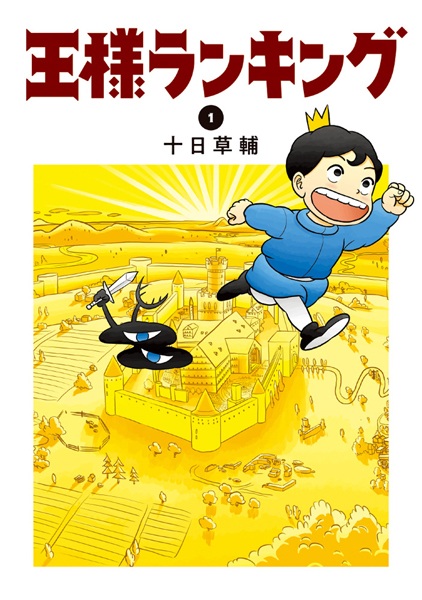
- Representative Concept: Similar to emotionally deep, tear-inducing narratives like Ousama Ranking. In our culture circles, we commonly call these “gut-wrenching works.”
- Illustrative Image (Emotional Tearjerker):

- Analysis: This type of ADV doesn’t just sell on arousal; it makes you “cry from your groin.” The first half is excessively sweet, the latter half dishes out character deaths ruthlessly. Story-driven ADVs that sell explosively on DLSite usually possess strong literary qualities. Players aren’t reaching for tissues for that reason, but to collect a moving experience.
-
Pure Love Live2D Masterpiece
- Analysis: These works typically boast a pure love story “so sweet it’ll give you cavities,” combined with the industry’s top-tier dynamic CGs. The girl appears vivid and lifelike on screen; the movement in her eyes, the subtle shifts of her breathing make you feel “this isn’t a picture, this is a living person.” The sales momentum for this type of ADV usually hits the ceiling during the pre-order period.
-
Exploration Mystery ADV
- Analysis: Combines deduction, suspense, and adult elements. For example, certain works involving folklore tales or locked room escapes. As players deduce, they experience a heightened sense of moral guilt or fear. This interweaving of complex emotions polarizes reviews but results in extremely high stickiness among the core fan base.
SLG Genre: The Dark Horse Market Where You Use Your Brain for Your Dick (TOP 3 Recommendations)
SLG (Strategy/Management Simulation) seems niche, but its monetization capability is nuke-level. The audience for this genre is usually hardcore players; they aren’t satisfied with just looking at pictures, but care more about the feedback driven by “system mechanics.”
Why is it popular? Because it combines “logic” and “desire.” You must calculate resources, arrange tactics, even perform numerical deductions like in Tower of the Sorcerer. When you rack your brains and finally overcome a difficult hurdle, the psychological satisfaction from the CG reward the game gives you is incomparable to grinding levels in an RPG. The unit price for this game type is usually higher because the complexity of the systems reflects the high development costs for doujin circles.
TOP 3 Must-Play Recommendations
-
Training/Upbringing Simulation
- Analysis: This is considered the evergreen tree of the SLG world. The player assumes the role of a manager (slave master, instructor, etc.) and changes the subject’s parameters by arranging their daily schedule. Watching various stats go from 0 to max, combined with the visual changes of “development,” offers an unmatched sense of immersion.
-
Tower Defense / Strategy Games
- Analysis: Deploy troops by day, capture enemy generals by night. This type of game satisfies a strategist’s desire for “spoils of war.” Similar to the corruption strategies in VenusBlood, you can truly feel the sense of control as a commander.
-
Ex-Salaryman Mangaka Simulation
- Illustrative Image (Mangaka Simulation):
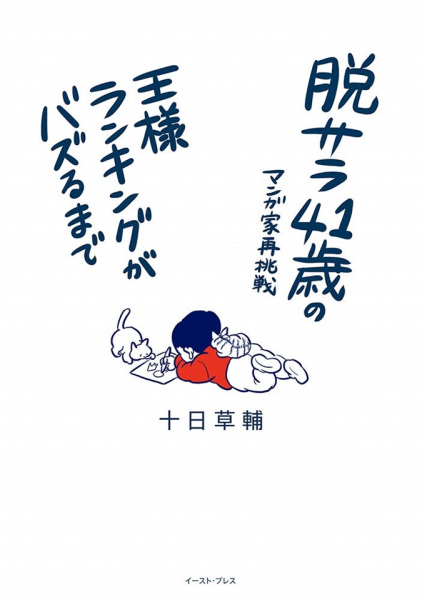
- Analysis: This seemingly all-ages theme (like a 41-year-old mangaka attempting a comeback) becomes an excellent SLG scenario once an adult module is added. You must allocate time, earn income, maintain inspiration, and develop relationships with assistants or editors. This type of simulation, closely tied to reality, has shown a recent trend of sudden, meteoric rise.
- Illustrative Image (Mangaka Simulation):
Final Conclusion: How Should You Actually Choose?
If you’re looking for a title that offers “long playtime, high cost-performance, and a sense of achievement,” close your eyes and pick an RPG; you can’t go wrong. It remains the most mainstream cash cow type on DLSite currently.
If you’re dead tired after work today, don’t want to think, and just want to “let the little brother blow off some steam,” then go pick an ADV with an art style that hits the spot. Remember to check if it has “Dynamic CGs”—the utility difference is huge (I strongly recommend checking before purchase whether it’s an uncensored version or the complete edition unlocked by a decensor patch).
If you feel you have superhuman intelligence and enjoy having your brain run at high speed even while physiologically aroused, then SLG is your destination. Once you start this type of game, a whole day can just disappear.
My personal, slightly inflammatory conclusion: RPG sells “the process,” ADV sells “the result,” and SLG sells “the conquest.” My current personal recommendation ranking is RPG >= SLG > ADV. It’s not to say ADVs are bad, but there are just too many poorly made text-based games on the market. Rather than risk stepping on a landmine, choosing an RPG is the safer bet. Of course, this statement might offend a legion of pure-love ADV warriors, so feel free to “discuss” it with me in the comments section.