Introduction to Hypnosis-Themed Adult Games: The Allure of Mind Control and a Selection of 5 Titles
What Is the Appeal of Hypnosis/Mind Control Adult Games? A Comprehensive Analysis of Psychological Mechanisms, Plot Development, and Practicality, with Recommendations for Notable Titles on DLSite.
As an old-school gentleman who started playing games in the Classmates era and still keeps a hidden folder deep in my hard drive, these days, it’s rare to find a nukige that truly offers something “refreshingly new.” Playing with simulators ultimately boils down to clicking, stat exchanges, and then viewing a few static images; frankly, sometimes before the images even finish loading, you’ve already entered the sage mode.
But, “hypnosis”—or as community slang puts it, 精神支配/Mind Control—this genre has always held an inviolable, sacred place on my must-play list. It’s not just a matter of pure utility; it’s the guilty, immoral thrill derived from “common sense rewriting” and the “corruption process” that typical lovey-dovey moege simply can’t provide. Imagine the subject on screen gradually transitioning from steadfast resistance into complete submission—that progressive unlocking of a sense of control is the brain’s most primal sensory delight.
Today, this article aims to pull you into that mesmerizing vortex. It’s not just about recommending games but dissecting them like a watch to analyze the core allure of “hypnosis” in adult games. If you’re finding the usual groping and poking a bit dull, get your DLSite account ready; this in-depth feature will be your introductory bible to the world of mind control.
Game Background and Core Gameplay Mechanics Deconstructed: Not Just Undressing, But Personality Reshaping
Many people misunderstand the hypnosis genre, thinking it’s just a “ding” sound, the heroine’s eyes go blank, she submits to being toyed with, and it’s over. That’s only the most superficial “Absolute Control Type.” In truly deep hypnosis adult games, the core gameplay is often built upon the struggle between “suggestion” and “resistance.”
We can roughly categorize hypnosis-centric games on the market into three mechanistic logics:
-
Absolute Control Type (Overbearing CEO Stream) This comes closest to what is traditionally called a “nukige”. Usually, the protagonist is given a cheat ability right from the start, possessing absolute hypnotic power. The game’s focus is not on the strategy process, but on the creative gameplay of “how to use power.” Classic masterpieces like Saimin Jutsu (although dated, it’s arguably one of the founders of this sub-genre), and various series constantly being remade recently, exemplify this. Its charm lies in: instantly stripping the target of their social identity, directly dimensionally crushing a lofty individual (a classmate, a strict female boss, even a blood relative) into a doll. Key gameplay: Although it’s akin to a Musou-style slaughter, good absolute control games provide “command options.” Do you tell her to meow like a cat, or engage in deeper acts of service? This “command-style interaction” is the real selling point. The contradictory sight of them crying from wounded pride while their body is forced by hypnotic suggestion to comply is immensely visually impactful.
-
Suggestion Type / Common Sense Rewriting Type (The Veteran’s Prank) This is the most popular and creatively versatile subtype. The protagonist’s ability isn’t direct physical control, but contaminating cognition. For example: “You believe wearing this revealing outfit is the school’s official uniform,” or “I am your childhood friend you’ve known since you were little.” Gameplay peaks here. Because the heroine retains her reason, only her common sense is distorted. These games often feature detailed sprite variations alternating between an “abstracted expression (恍惚表情)” and a “struggle of remaining reason.” You calculate which suggestion triggers the most interesting feedback, and even have to be careful not to overdo it, causing a personality collapse (Bad End). This subtle shift in expression, as you watch her look ashamed yet somehow feels it’s “natural,” is the real source of practical utility.
-
Stage-Type / Brainwashing Training Type (The Ultimate Raising Sim) This category is perfect for plot-oriented players who enjoy the “process.” The protagonist’s hypnotic ability is usually weak, or the target’s mental strength is too high. You need to gradually erode the opponent’s “mental defenses” through repeated contact, drugging, and item assistance, much like playing an RPG. Core deconstruction: In these games, the hypnosis progress bar is everything. From initially only being able to command something simple like “close your eyes,” to delving into the subconscious to explore trauma, finally leading to personality replacement. This playstyle is immensely rewarding. You witness how a proud flower is eroded from the roots, eventually blossoming from the inside out into a completely different, lascivious form. It’s not just the nakedness of the body, but the nakedness of the soul.
Art Direction and Gentlemanly Element Appraisal (In-Depth Utility Analysis)
When discussing hypnosis-centric works, if the art direction falls short, it’s like eating plain crackers without the seasoning packet—a major letdown. This category demands an exceptionally high level of skill in depicting the トランス状態 (Trance State). An ordinary nukige just needs to draw an ahegao face to pass, but a hypnosis title cannot get away with that.
1. The Art of Eyes and Highlights This is the quintessential indicator for judging the quality of a hypnosis work. In an excellent title, the art team meticulously crafts three types of eyes: “Pre-Hypnosis vs. Under Hypnosis vs. Post-Hypnosis.”
- Pre-Hypnosis: Determined, with highlights, perhaps even contemptuous.
- Under Hypnosis: Highlights vanish, pupils lose focus (blur), often accompanied by physiological signs of tear incontinence. Some works incorporate symbolic image like “spiral textures” or “heart marks” into the pupils. This “hollow feeling of the self being extracted” is the hardest thing for static CGs to capture.
- Post-Corruption: Even after the hypnosis is lifted, the eyes remain pathologically dependent, spontaneously craving commands.
2. Body Language and the Paradox of Resistance In hypnosis games, the ultimate utility often comes from “the body’s honesty.” You’ll often see a composition: the heroine’s upper body disheveled, her face a mask of ashamed defiance, yet her lower body actively yielding, or she’s kneeling in a pose that defies ergonomics. This dissonance between the mind (unconquered) and the body (conquered) is the signature move of Suggestion and Stage-Type games. For doujin circle works, many groups recently have incorporated Live2D or animated CGs. Imagine a character on screen, in a trance-like state, slightly swaying, vacantly repeating mechanical acts of service. This “animated sense of corruption” breaks the utility meter sky-high. It’s strongly recommended to wear headphones when playing these games; many circles even add ASMR elements. The voice actress’s (CV) breathy, wispy “Yes… Master…” whispered right in your ear is enough to make your eardrums pregnant.
3. The Cosplay Thrill of Clothing The hypnosis genre is almost intrinsically tied to the slang concepts of “Clothing Deprivation/Forced Attire.” In many games built on the Hypnosis App concept, using “common sense rewriting” to make a heroine wear a Playboy Bunny suit on the street, or extremely embarrassing swimwear to class, is the royal road among royal roads. Compared to pure nudity, these compositions of half-undressed, half-worn, pushing the limits of shame, possess greater visual tension. Seeing a model student’s garter belt digging into her thigh flesh, combined with that vacant stare—it’s devastatingly effective.
DLSite Classic Recommendations: A Veteran Hunter’s Top 5 Picks to Start Your Journey
The following list is filtered based on “Utility,” “Value,” and “Hypnosis Logic Setting,” with no sponsorships, purely personal treasures from my hard drive. Please prepare your own supplies in advance, as malnutrition is likely.
1. The Royal Road and the Sidetrack —【Hypnosis Academy (Saimin Gakuen)】
This is almost a canonical, bible-level existence that cannot be circumvented when discussing hypnosis games. If Murakami Suigun is the god of restraint, this series is the driving force behind the popularization of hypnosis.
- Type: Absolute Control + Stage-Type Hybrid
- Appeal Analysis: It perfectly merges the convenience of a “hypnosis app” with the satisfaction of a “training simulator.” The game’s classic hypnosis induction tool is worthy of being recorded in ACGN history books.
- Utility: 🔥🔥🔥🔥🔥 (Full marks). The CG volume is explosive, and the balance between “shame” and “obedience” is pin-point accurate.
 (Image: Typical school domination composition; the destruction of daily life under mass hypnosis is profoundly shocking)
2. The Pinnacle of Fantasy Realization —【Hypnosis App (by Kazuki Rio)】
Although this is an extension of the original manga, its adapted game (or highly interactive e-book/animation work) receives extremely high praise on digital platforms. It explores the uncanny valley effect of “what if such a rogue app actually existed on social media.”
- Type: Suggestion Type
- Appeal Analysis: This is a tech thriller disguised as hypnosis. The creative ways hypnosis is used within are incredibly inventive, targeting not just people, but rewriting entire spaces and common sense. Its emphasis on “cognitive contamination” is more heart-racing than simple bodily control.
- Utility: 🔥🔥🔥🔥. Focuses on group dynamics and the display of power. Watching a crowd perform acts of service without finding anything strange, that “I alone am sober while everyone else is drunk” sense of superiority is irresistibly addictive.
 (Image: Suggesting through a software interface, reversing reality and fiction is the essence of this work.)
3. Hardcore Training & Development —【Soushinjutsu Series】
If you find one-click clears boring and prefer manipulating memories and excavating past trauma to reshape a personality, Soushinjutsu is definitely your cup of tea.
- Type: Stage-Type (Deep Psychological Exploration)
- Appeal Analysis: This game is hardcore. The protagonist manipulates threads of memory. The core gameplay revolves around how to sever them and connect false memories to cause the target’s breakdown and reconstruction. This isn’t just physical humiliation; it’s soul flaying. Watching the heroine mistake an enemy for her lover, and forget her actual lover, that gut-wrenching feeling and sense of guilt is top-tier.
- Utility: 🔥🔥🔥 (Psychological component outweighs pure utility, but once a key scene is triggered, the aftertaste is extremely potent).
4. Common Sense Collapse Comedy —【The World of Common Sense Change】type (broadly referring to recent doujin hits)
Much of the hypnosis work topping DLSite sales recently carries a comedic tone. Examples include using hypnosis to make all the schoolgirls believe “not wearing panties is a school rule,” or “I am the emperor of this country.”
- Type: Common Sense Rewriting Type
- Appeal Analysis: Low guilt, high entertainment value. These works usually feature bright, clean art styles, yet their utility is in no way inferior to humiliation-centric titles. Because the heroines all speak extremely obscene words with normal smiles and clear logic. This “depravity under the sun” contrast is the attribute most sought after in recent gentleman circles.
- Utility: 🔥🔥🔥🔥🔥. Easy to use, no need for your little brother to endure too much dark pressure.
5. A Vintage Textbook —【Introduction to Hypnosis (by Cacio)】
If you’re looking for something with BL/yaoi leanings or more restrained emotional power struggles, this work, while being a BL manga, depicts hypnosis with profound psychological depth.
- Type: Suggestion Type / Emotional Projection
- Appeal Analysis: It questions the boundary between “removing reason” and “exposing true feelings” during hypnosis. Is the lust born from the hypnosis, or is hypnosis just an excuse? Its depiction of this ambiguous grey area is thoroughly enjoyable even for non-fujoshi. Suitable for the literary gentleman who enjoys reading text and navigating mental and emotional transitions.
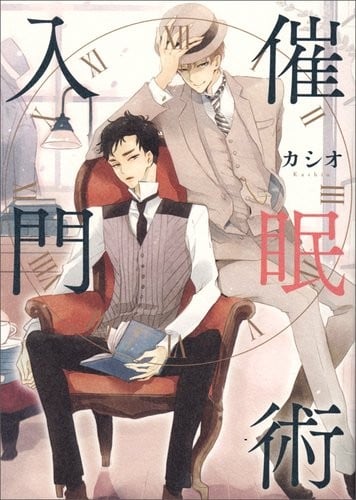 (Image: The Taisho-era setting fully captures the atmosphere of hypnosis as a modern magic.)
Purchase Precautions, Value, and Patch Guide
As someone who has long wandered between DLSite and Steam, here are a few hard-won lessons I must impart:
- Platform Selection and the “Mosaic/Censored vs. Uncensored” Debate For these core-oriented works, the absolute first choice is the Japanese original version on DLSite. Why? Because although the Steam version might have Traditional Chinese (credit where it’s due to the publishers for that), it often faces “self-regulation.” Unless you buy a “decensoring patch” or an officially released R18 DLC, what you download will only be the sanitized version where crucial parts are obscured. Must-check before purchase: Search the review section on the Steam store page using keywords like “patch,” “region lock.” Guide to Installing the Decensoring Patch: Usually, it’s just going to the publisher’s official website (e.g., Kagura Games or the relevant DLsite circle page) and downloading a compressed